

From Dublin to Australia and Aotearoa: The First Nations Mercy Circle

Introduction
Natasha Watson (Ngāti Manawa), Pou Atawhai | Formation & Development Lead with Whānau Mercy Ministries in Aotearoa New Zealand shares the story of the First Nations Mercy Circle.
Planting the Seed
Sometimes an idea takes root in a place you might not expect.
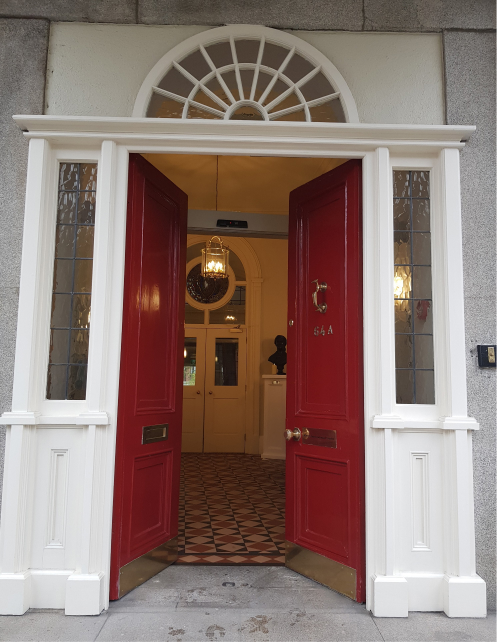
For the First Nations Mercy Circle, the first seed was planted during a Mercy Ministries Companions pilgrimage to Dublin, at the International House of Mercy. It was here, in the place where Catherine McAuley began her work of Mercy, that the idea of bringing together First Nations peoples connected with Mercy in Australia and Aotearoa New Zealand first emerged.
Through an initial yarn and wananga, Philip Alexander-Crawford (Te Whiu, Ngāti Hine, Ngāti Rēhia, and Ngāpuhi) trustee of Whānau Mercy Ministries, and Esmai Manahan (Yorta Yorta and Gunditjmara) National Director of Nanyubak: First Nations Practice and Partnerships at MacKillop Family Services began to develop the idea further.
What might happen if we came together, shared our experiences and explored what it means to be First Nations peoples within the Mercy family? And what might we be able to achieve together?
That initial idea has grown into the First Nations Mercy Circle, bringing together people from across Mercy organisations in Australia and Aotearoa New Zealand who share a commitment to strengthening First Nations voices, leadership and participation in the life and mission of Mercy.
In April 2026, the Circle gathered in Melbourne at the Koorie Heritage Trust, followed by a further gathering at Te Waipuna Puawai Mercy Oasis in Auckland on 22–23 July. We have continued to meet online every few weeks, getting to know one another, sharing our experiences and working through what we hope to achieve together.
The founding Circle brings together First Nations peoples and Māori leaders from Whānau Mercy Ministries in Aotearoa New Zealand, MacKillop Family Services (MacKillop) and Mercy Connect. MacKillop and Mercy Connect are part of Mercy Community Services Australia Ltd, Mercy Ministry Companions.
For MacKillop, the Circle is also a practical expression of the Stretch Reconciliation Action Plan (RAP) 2025–2028, which includes a commitment to “develop and grow a First Nations network across Mercy Ministry Companions in Australia and New Zealand.”
From the very beginning, relationships and building trust have been at the heart of the First Nations Mercy Circle. We have taken the time to get to know one another, share our stories and experiences, and practice deep listening. The Circle reflects how we want to work together, with everyone having an equal place and voice, and no hierarchy. It is also a circle that can grow and widen, making space to welcome others as relationships develop and new voices join the conversation.
While we come from different countries, cultures and experiences, we share a commitment to Mercy and a desire to learn from one another. The importance of treaties has been a significant part of our conversations. For Whānau Mercy Ministries in Aotearoa New Zealand, Te Tiriti o Waitangi is a foundational commitment, shaping our relationships, responsibilities and the way we carry out our mission. For our Australian members, the Treaty process in Victoria has been particularly significant. These developments and commitments have provided opportunities to share our experiences, learn from one another and reflect on what they mean for Mercy organisations and our shared commitment to justice, truth and genuine partnership.
Through our conversations, we have identified six values that guide our work: Love, Justice, Truth, Cultural Integrity, Cultural Humility and Deep Listening. These values reflect how we want to work together and what we hope to encourage across the wider Mercy family.
We also see the Circle as a place where First Nations peoples connected with Mercy can support and encourage one another, share our experiences and nurture future leaders. We want to see more First Nations peoples involved in Mercy governance, leadership and decision-making, and the Circle provides an opportunity to build the relationships, confidence and connections that can help make that possible. It is about creating opportunities for those who come after us to contribute their gifts, grow as leaders and help shape the future of Mercy.
A Charter for the Future
One of the most exciting developments has been the work we have undertaken to develop a First Nations Mercy Charter, which Mercy organisations in Australia and Aotearoa New Zealand will be invited to endorse.
This is where we see a real opportunity to make a difference. The Charter is about recognising the importance of First Nations peoples, acknowledging the injustices of the past and considering what this means for Mercy organisations today. How are First Nations voices included in our governance and leadership? How do we ensure that our relationships with First Nations peoples are genuine and ongoing? How do we recognise and value the wisdom, knowledge and cultural traditions that First Nations peoples bring? And how do we translate our commitments into the way we make decisions and carry out our mission?
The Charter provides a shared starting point for these conversations and an opportunity for Mercy organisations to make a commitment to this work. Our MPJPs signing the Charter will be another step in the journey. What really matters is what we do with that commitment and how it shapes our organisations into the future.

Looking Towards the Next 200 Years
As we mark 200 years since Catherine McAuley began her work of Mercy, there is something particularly fitting about the beginnings of the Circle being traced back to Dublin.
Catherine recognised the needs of her time and did something about them. She was willing to challenge the way things were done and to imagine something different. That same challenge remains for us today.
The First Nations Mercy Circle is one way we are responding to that challenge. We want First Nations peoples to be actively involved in shaping the future of Mercy. We want to strengthen relationships, nurture leadership, and encourage Mercy organisations to reflect on how their commitment to justice, dignity and Mercy is lived out in their relationships with First Nations peoples.
There is still much work ahead of us, but it is exciting to think about how far we have come in a relatively short time. From an idea shared during a pilgrimage in Dublin, to gatherings in Melbourne and Auckland, and now to a Charter that we hope Mercy organisations across both countries will embrace. The trustees of Whānau Mercy Ministries agreed to sign it at their last meeting in October.
What began as a seed in Dublin is beginning to take root in fertile soil. We hope the Circle will continue to grow and widen, welcoming others, strengthening relationships and nurturing future leaders who will carry Mercy forward on our lands.
ENDS
Editor’s Note: Thanks to Natasha for introducing us to the First Nations Mercy Circle - isn't it wonderful to be able to witness how a little spark can ignite something so profound.
Photos used with permission.